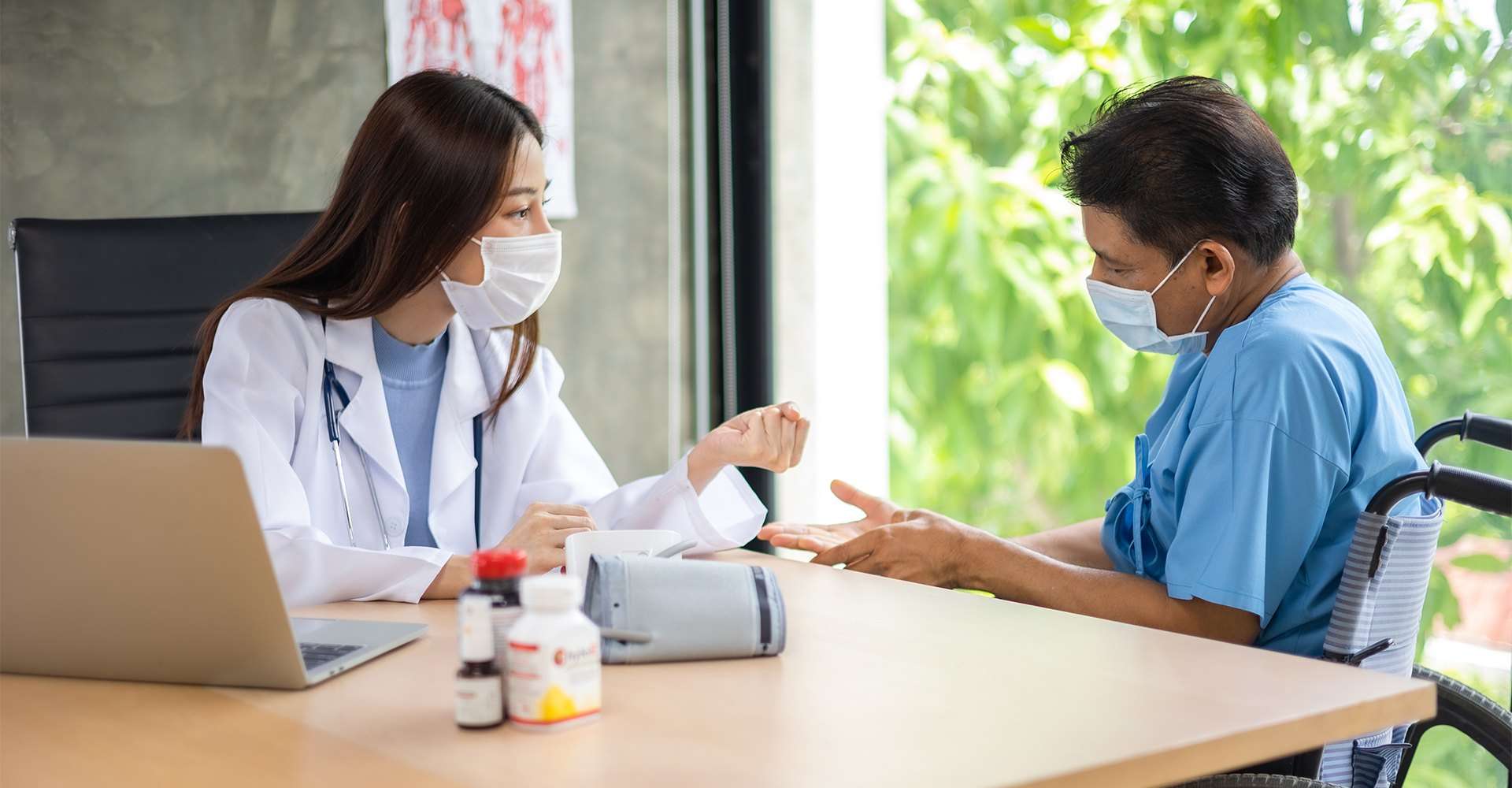

Integrated care is rapidly transforming the healthcare landscape, addressing long-standing inefficiencies in how care is delivered, coordinated, and experienced. By unifying a wide range of services into a cohesive system, integrated care ensures that patients receive seamless and comprehensive support throughout their health journey. This approach not only enhances patient outcomes but also improves workflows for providers, creating a more sustainable and effective healthcare ecosystem.
At its core, integrated care focuses on connecting the dots between various aspects of healthcare—primary care, specialized treatments, long-term care, and even non-medical support services. By breaking down silos and promoting collaboration among healthcare providers, integrated care ensures that patient needs are addressed holistically rather than through fragmented interventions. This is particularly crucial for patients with chronic conditions, who often require coordinated care across multiple providers and settings.
The Role of Technology in Integrated Care
The success of integrated care hinges on the use of advanced technology to streamline communication and data sharing between providers, patients, and caregivers. Platforms like AdaptIT play a pivotal role in facilitating this transformation. AdaptIT’s comprehensive platform offers an all-in-one solution that integrates medical records, telemedicine, and smart home technology, enabling a seamless flow of information and services.
For instance, electronic health records (EHRs) serve as the backbone of integrated care, ensuring that every provider involved in a patient’s care has access to accurate and up-to-date information. With AdaptIT, EHRs are not just static repositories of data; they are dynamic tools that allow for real-time updates, personalized care plans, and automated reminders for follow-ups and medications.
Telemedicine: Expanding Access and Efficiency
Telemedicine is another cornerstone of integrated care, providing patients with easy access to healthcare professionals regardless of their location. AdaptIT’s telemedicine features allow for real-time consultations, remote health monitoring, and virtual follow-ups, all of which reduce the need for unnecessary in-person visits. This is especially beneficial for patients in rural or underserved areas, who may otherwise struggle to access quality healthcare.
Additionally, telemedicine enhances the efficiency of healthcare providers by allowing them to manage more patients without compromising the quality of care. Providers can collaborate remotely with specialists, share diagnostic information, and even conduct virtual multidisciplinary team meetings to discuss complex cases.
Smart Home Technology: Personalized Care in Comfortable Settings
One of the most innovative aspects of AdaptIT’s platform is its integration of smart home technology into the healthcare experience. Smart devices can monitor a patient’s vital signs, activity levels, and even environmental conditions, providing valuable insights that inform personalized care plans. For example, sensors can detect irregularities such as a sudden drop in blood pressure or a fall, automatically alerting caregivers or emergency services.
This approach not only enhances patient safety but also promotes independence and comfort by allowing patients to receive care in familiar surroundings. For elderly patients or those with mobility challenges, this can significantly improve their quality of life and reduce hospital readmissions.
A Unified Vision for the Future
Integrated care represents the future of healthcare—one where patient needs are met through seamless collaboration and cutting-edge technology. With platforms like AdaptIT leading the charge, both patients and providers can look forward to a more efficient, effective, and compassionate healthcare system.
By uniting medical records, telemedicine, and smart home technology, AdaptIT empowers healthcare organizations to deliver truly patient-centered care. The result is a win-win scenario: better outcomes for patients and a more streamlined, sustainable workflow for providers.